Introduction
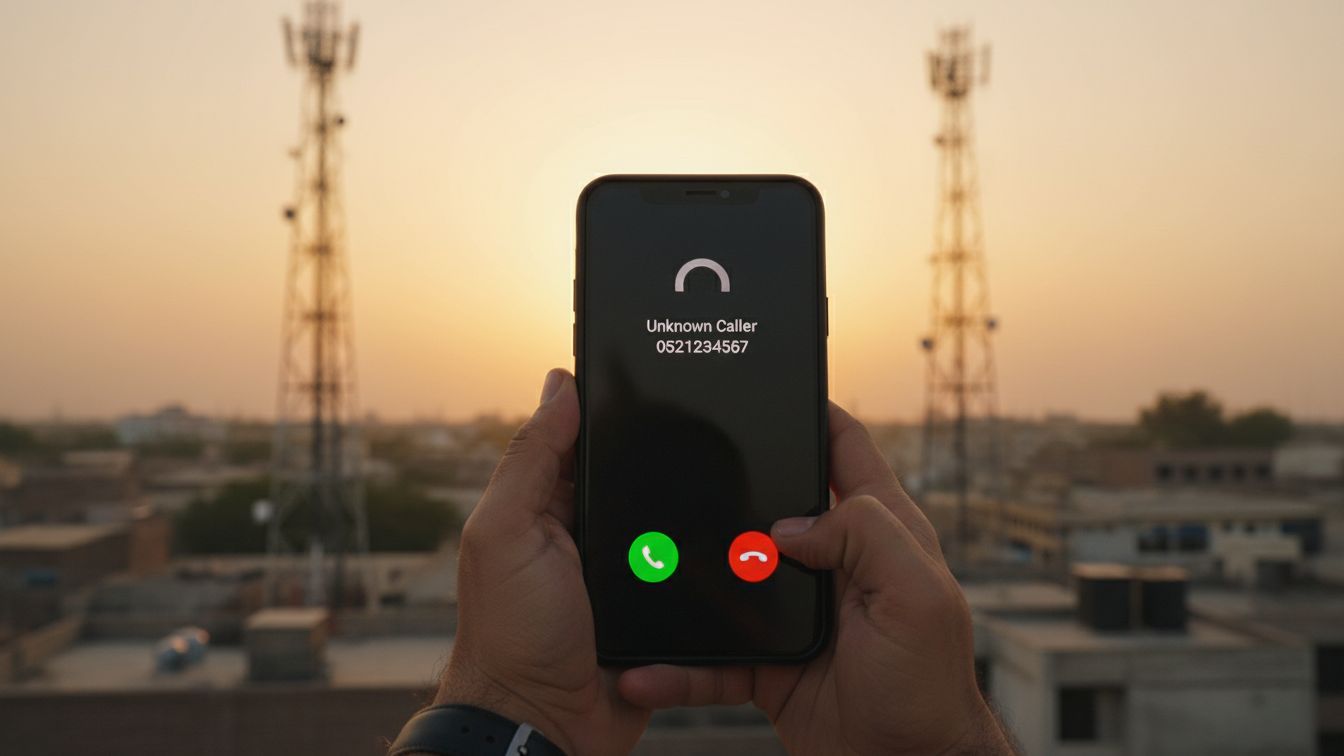
We’ve all been there. Your phone buzzes, you glance at the screen, and there’s a number you don’t recognise. Do you pick up? Ignore it? Most of us in Pakistan have learned the hard way that answering the wrong call means you’re stuck listening to some property dealer in DHA trying to sell you a plot you can’t afford.
But sometimes it’s not just annoying. Sometimes it’s scary. Scam calls are everywhere now. People pretending to be from banks, fake lottery winners, you name it. My own khala lost 50,000 rupees to someone claiming her ATM card was “blocked.” She gave them her OTP. Gone in seconds.
That’s why more and more Pakistanis are asking the same question: whose number is this in Pakistan? And honestly, it’s not always easy to find out. This guide breaks down what actually works, what doesn’t, and how to protect yourself from these unknown callers.
Find Phone Number Owner’s Details
How Big is Pakistan’s Mobile Market?
Here’s a number that surprised me: Pakistan has over 230 million mobile connections. That’s more than our actual population, which tells you how many people carry two or even three SIMs.
Four companies run the show here:
Jazz is the biggest. After they merged with Warid back in 2017, they shot up to around 75 million subscribers. If you’ve got a number starting with 030X, that’s probably Jazz.
Telenor comes second with roughly 50 million users. They’ve done well in rural areas where other networks struggle. Their 034X numbers are everywhere in villages.
Zong has grown fast, really fast. Backed by China Mobile, they’ve got about 45 million subscribers now. Their 4G coverage is actually pretty solid in most cities.
Ufone is the smallest of the big four, sitting at around 35 million. It’s owned by PTCL, and while they’ve lost ground over the years, plenty of people still swear by them.
The PTA (Pakistan Telecommunication Authority) keeps everyone in check. They’re the ones who forced biometric SIM registration a few years back, remember standing in those long lines with your thumb on the scanner? That was the PTA’s doing.
One thing that complicates finding number owners: MNP, or mobile number portability. People can switch networks without changing their number. So that 030X number? Might not be Jazz anymore.
Pakistan Telecom Operators Guide
Why Are People Searching for Number Owners?
Spam Has Gotten Out of Control
I counted once. Seven spam calls in a single day. Property agents, car insurance, personal loans, and some guy selling solar panels. It never ends. No wonder people want to know who’s calling before they pick up.
Scams Are Getting Smarter
The scammers aren’t dumb anymore. They know how to sound official. “Sir, yeh State Bank se bol rahe hain, aapka account verify karna hai.” They’ve got scripts, fake caller IDs, the works. Checking a number before calling back can save you from losing your hard-earned money.
Sometimes You Just Lose Touch
Not everything is sinister. Maybe an old classmate is trying to reconnect. Maybe it’s a job callback you forgot about. A quick Pakistan phone number lookup can tell you if it’s worth returning that missed call.
Business Reasons
If you’re buying something from OLX or Facebook Marketplace, you want to know who you’re dealing with. Is this seller legit? A little research goes a long way.
Safety – Especially for Women
Let’s be real. Women in Pakistan deal with harassment calls constantly. Unknown numbers are sending inappropriate messages and making threatening calls. Being able to identify these callers isn’t just convenient; it’s a safety issue.
How to Report Spam Calls in Pakistan
Actually Useful Ways to Find Phone Number Owners in Pakistan
I’ve tried most of these myself. Some work great, others are hit or miss. Here’s the honest breakdown:
Phone Lookup Websites
These sites collect data from public sources, user reports, and business listings. You punch in the number, and if someone’s reported it before, you’ll see comments like “spam caller” or “delivery company.” Won’t always give you a name, but you’ll know if the number has been bothering other people, too.
The Facebook Trick
This one’s underrated. Go to Facebook, type the phone number in the search bar. You’d be shocked at how many people have their numbers linked to their profiles. I’ve found scammers this way, their whole profile sitting there with selfies and everything.
WhatsApp Check
Save the number to your contacts. Open WhatsApp. If they have an account, you’ll see their profile picture and “About” info. Sometimes that’s enough to figure out who’s calling.
Google It
Sounds basic, but try searching the number in quotes: “0321-1234567”
Businesses often have their numbers indexed. Spam numbers show up on complaint forums. It takes 10 seconds and sometimes gives you exactly what you need.
What About NADRA and CNIC Verification?
I see people asking about this all the time. “Can I check whose CNIC is linked to this number?”
Short answer: No. You can’t. That data isn’t public. Only FIA and the police can access it, and they need proper authorisation. Anyone telling you they can get CNIC details from a phone number is either lying or doing something illegal. Don’t go there.
Operator Helplines
You can try calling Jazz (111), Telenor (345), Zong (310), or Ufone (333). But be realistic, they won’t tell you who owns a number. Privacy policy doesn’t allow it. What they can do is register a complaint if someone’s harassing you.
Complete USSD Codes List for Pakistan
Pakistan Mobile Number Formats Explained
If you’re trying to figure out which network a number belongs to, here’s the cheat sheet:
Jazz: 0300-0309, plus the old Warid series 0310-0319
Telenor: 0340-0349
Zong: 0310-0319, 0330-0333
Ufone: 0330-0339
Yeah, there’s overlap between Zong and Ufone on some codes. And remember, MNP means someone could’ve switched networks. A 0345 number might be Jazz now if the owner ported it.
International format: Drop the zero, add +92. So 0300-1234567 becomes +92 300 1234567.
Landlines: These start with city codes. Karachi is 021, Lahore is 042, and Islamabad is 051. Landlines are dying out, but some businesses still use them.
The Legal Side – What You Can and Can’t Do
What’s Allowed
Using Truecaller, searching on Google, checking Facebook, all fine. You’re accessing publicly available information or using services people voluntarily signed up for.
Reporting numbers to PTA? Absolutely legal and encouraged.
What’s Not Allowed
Bribing some guy at a telecom company to pull subscriber records? That’s a crime. Under PECA 2016 (Prevention of Electronic Crimes Act), unauthorised access to personal data can land you in serious trouble.
The same goes for stalking someone using their number or harassing them with information you found. Just because you can find someone doesn’t mean you should use it to bother them.
SIM Registration Rules
Since 2014, every SIM in Pakistan has been tied to a CNIC through biometric verification. Your fingerprint is literally on file. This helps police track criminals, but the data stays locked. The average person can’t access it, and that’s probably a good thing.
PECA 2016 – National Assembly of Pakistan
Protecting Yourself from Unknown Callers
Get a Call Blocking App
Truecaller blocks known spam automatically. Most Samsung and Xiaomi phones have built-in spam detection, too. Turn it on. It’s not perfect, but it catches a lot.
Report to PTA
PTA has a complaint portal on their website. Takes five minutes to file a report. If enough people report the same number, PTA can actually take action against it. [EXTERNAL LINK: PTA Complaint Portal]
The Golden Rule: Never Share OTPs
I don’t care who’s calling. Your bank will never ask for your OTP. Neither will Jazz, Easypaisa, JazzCash, or anyone legitimate. If someone asks, hang up. Call the official number yourself to verify.
Verify Everything Independently
Someone claiming to be from your bank? Great. Hang up. Find the number on your actual bank card. Call that. If there’s really an issue, they’ll tell you.
Other Smart Moves
Don’t put your personal number on OLX listings; use a secondary SIM. Keep your number off public social media profiles. And for the love of everything, stop forwarding chain messages that ask you to “share with 10 people.”
Final Thoughts
Figuring out whose number is this in Pakistan isn’t always straightforward, but you’ve got options. WhoseNo handles most cases. Facebook and WhatsApp fill in gaps. And when something feels off, trust your gut, don’t answer, don’t call back, don’t engage.
The scammers and spammers aren’t going anywhere. But at least now you know how to check who’s really calling before you pick up.
Stay safe out there.
FAQs
Q1: How can I find out whose number is this in Pakistan for free? A: Truecaller’s free version works for most lookups. You can also search the number on Facebook, check WhatsApp for a profile picture, or Google the number in quotes. These methods cost nothing and work surprisingly well.
Q2: Is it legal to look up phone numbers in Pakistan? A: Using apps like Truecaller, searching social media, or Googling numbers is perfectly legal. What’s illegal is accessing private telecom records, bribing employees for data, or using information to harass someone.
Q3: Can I find someone’s CNIC from their phone number? A: No. CNIC data linked to SIM cards isn’t publicly accessible. Only law enforcement can access this through proper legal channels. Anyone offering this service is breaking the law.
Q4: Which app works best for Pakistan phone number lookup? A: Truecaller, hands down. It has the largest database of Pakistani numbers because so many people here use it. Alternatives like Hiya exist, but don’t have as much local data.
Q5: How do I report spam calls in Pakistan? A: Go to the PTA’s website (pta.gov.pk) and use their complaint portal. You can also call 0800-25625. Reporting helps build a database that protects everyone.
Pingback: Why Am I Getting So Many Spam Calls? The Real Reasons and How to Finally Stop Them – Whose Number Is This Blog